A two-year Dubai resident, one Belgian Malinois, and a geopolitical simulation nobody else is running.
Rocky doesn’t care about the war.
He’s on the cool tiles of our villa in Dubai Hills, legs out, fully committed to doing absolutely nothing, while I’m at my desk at midnight watching flight trackers show a Gulf that’s gone almost completely dark. Same dog. Same villa. Same neighbourhood I chose deliberately two years ago because I genuinely wanted to build a life here.
That hasn’t changed.
Several friends have left in the past fortnight. Families, mostly. I don’t blame them for a second. But I’m not going anywhere. And because I’m staying, and because I’ve spent the past week doing actual analysis rather than doom-scrolling like the rest of the internet, I want to tell you what I think is genuinely coming.
Not the dramatic version. Not the reassuring one.
The realistic one.
This Is My Home (So Let Me Be Straight About What’s At Stake)
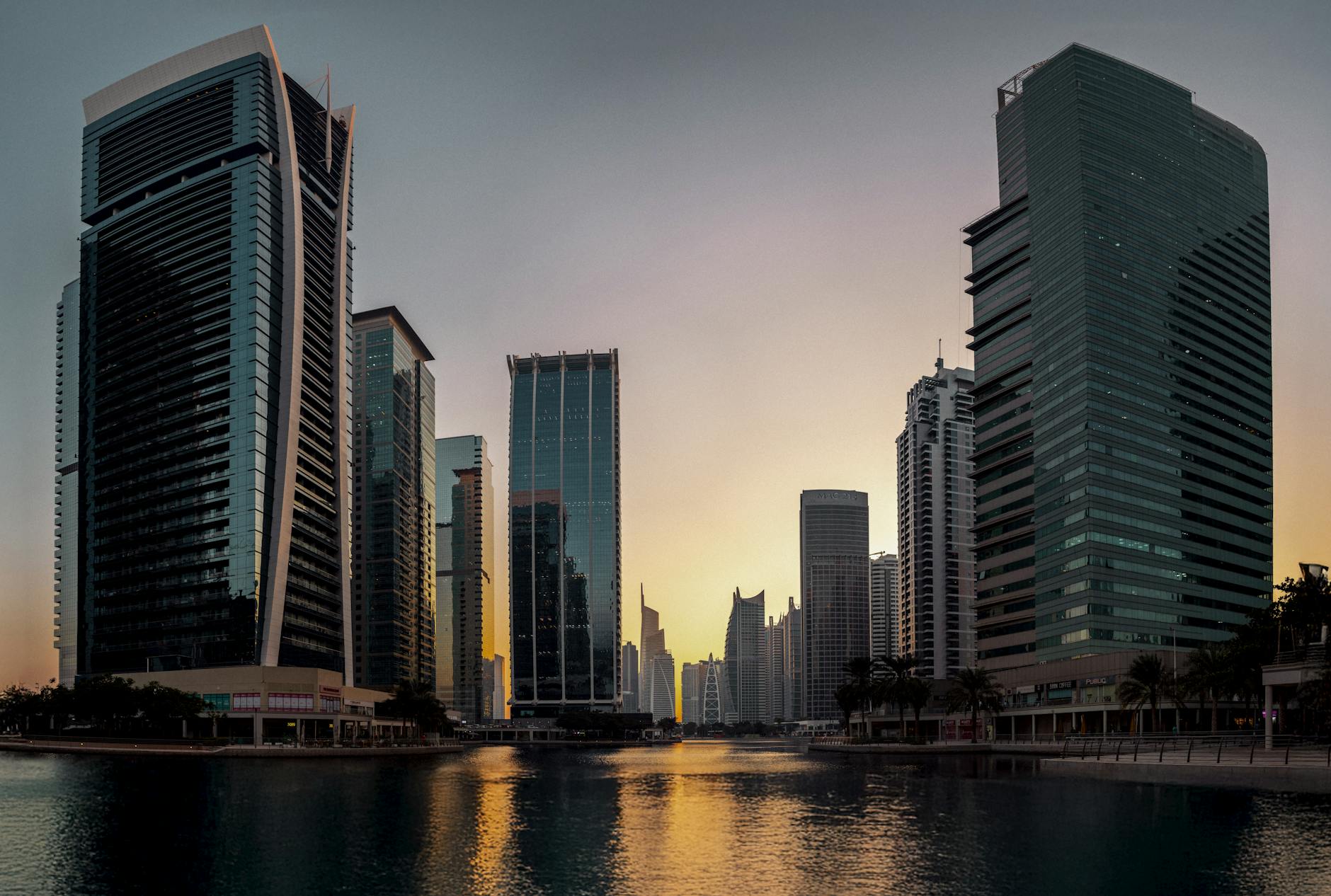
Two years ago I made a deliberate choice to move here. I knew the neighbourhood. I knew the trade-offs. I knew I was planting roots in a part of the world that operates differently, faster, bolder, occasionally bewildering, and I chose it anyway.
What I didn’t fully appreciate until this week is quite how precisely Dubai was built to be Iran‘s number one target if things ever went sideways.
Jebel Ali port and its free-trade zone account for 36% of Dubai‘s entire GDP. Dubai International Airport was, until a fortnight ago, the busiest international hub on earth. The DIFC processes capital flows from over 100 countries. Dubai handles 15% of the world’s gold trade.
And for years, the city also served as an important commercial corridor for Iran. Bilateral trade was worth $28 billion in 2024. Half a million Iranians call the UAE home. It was a relationship built on pragmatic co-existence, and it worked, for a long time, for both sides.
Iran knows exactly what Dubai is worth. That’s precisely why it became the primary retaliation target the moment the first US-Israeli strikes landed on 28 February.
As one LSE professor put it: Iranian leaders view Dubai as the foundation of the Western global economic system. Hit it hard enough and you rattle the world economy, not just the UAE.
And I live here. Rocky lives here. We’re watching it from Dubai Hills.
A friend who works in hospitality called me this week. I asked how the hotel was doing.
Three percent occupancy.
Three percent. They’ve reactivated Covid-era protocols. Staff are sleeping in hotel accommodation because there’s nowhere safe enough to send them home to. He said it with the kind of flat, exhausted calm that only settles in after a week of real shock has worn off.
That’s not a Bloomberg number. That’s a phone call. And it tells you more about what Phase One of this conflict feels like on the ground than any analyst report.
The Strait of Hormuz (The Variable Nobody Is Modelling Properly)
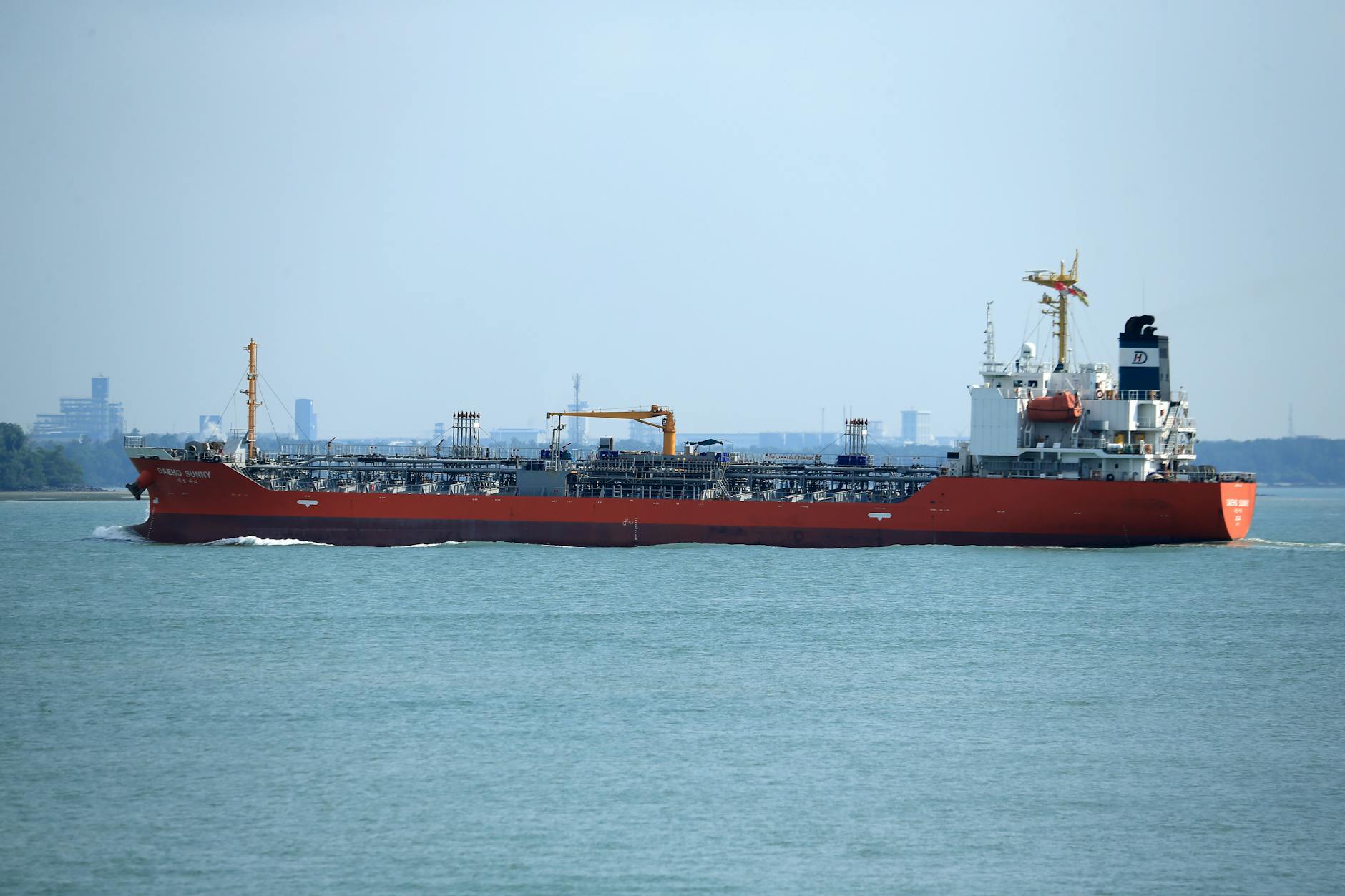
Right. Before I get into the scenarios, there’s one variable that sits underneath all of them. Every analysis I’ve read either buries it in a footnote or gets it completely wrong.
The Strait of Hormuz.
Twenty-one miles wide at its narrowest point. Roughly 18 to 19 million barrels of oil passing through it every single day. About 25% of all seaborne oil trade on the planet. The moment you start seriously disrupting it, you’re not talking about a regional conflict anymore. You’re talking about a global energy event.
Here’s what the “US Navy will just reopen it” crowd consistently underestimates.
You cannot open a mined strait over a weekend.
Iran has spent 40 years turning both Hormuz coastlines into a layered defensive system specifically designed for confined water warfare. Shore-based anti-ship missiles. Fast attack boat swarms. Mini-submarines. And, critically, the ability to seed the strait with naval mines in hours, at night, using small craft that are genuinely difficult to interdict.
Yes, the US Navy wins the conventional engagement. That’s not the question. The question is what happens to commercial shipping while you’re sweeping a minefield under fire from a coastline. The answer is: nothing moves. Because the moment a single tanker takes a hit, every marine insurer on earth pulls cover. The commercial decision gets made entirely independently of whatever the military is doing.
Iran knows this. They don’t need to formally close the Strait. They just need to make it feel dangerous enough that shipping companies make the decision for them. Sporadic mine-laying. Occasional fast boat harassment. Insurance market manipulation. That’s the playbook.
It’s a properly effective one.
The IRGC has already told ships that passage through Hormuz is not allowed. Vessel traffic dropped to one-fifth of normal levels within the first 48 hours. Analysts have warned that a sustained closure could push Brent crude toward $200 a barrel. That’s a level most economists consider sufficient to trigger a global recession.
So when I say the Strait is the central variable in everything that follows, I mean it literally. Every scenario I’m about to run sits on one question: does Hormuz get fully closed, partially disrupted, or does it muddle through?
My view: it muddles through. Just about.
Here’s what that actually means.
Three Scenarios (And Why Two Of Them Are Wrong)
Pull up any think-tank analysis and you’ll find variations on the same three scenarios. Long war. Short war with regime change. Something in the middle. The doom merchants and the optimists are both wrong, for different reasons.
The long war has a natural ceiling. Iran started this with an estimated 2,500 long-range ballistic missiles. By day four, attack rates were already declining as stockpiles got hit. You cannot sustain years of high-intensity missile warfare when your production capacity is being systematically destroyed and your economy was broken before the first strike landed.
The short war with clean regime change requires a chain of events that almost never goes right simultaneously. Military success. A competent transitional government. An IRGC that doesn’t splinter into competing factions. And 90 million people coalescing around something stable. Iraq would like a word. Libya would like several.
My call sits between the two. Nine to eighteen months. A negotiated pause, not a peace, brokered through Oman or China rather than Washington, because Trump’s unconditional surrender posture gives him nowhere to negotiate from publicly but plenty of room to do it quietly. And throughout that entire period, the Strait stays open but degraded.
That’s the scenario worth modelling properly. So let’s do it.
Phase One: Months 1 to 3 (The Bleeding, Which Is Right Now)
We’re in it. My mate at 3% occupancy is Phase One. The Covid protocols being dusted off. The friends packing families and leaving. The flight trackers showing a dark Gulf. All of it, Phase One.
Tourism is effectively zero. Not paused. Redirected. The bookings that cancelled didn’t go on hold; they went to the Maldives, to Greece, to anywhere that didn’t have a port on fire in the news. Ramadan season is written off. Hotel occupancy sits at catastrophic levels through spring.
Real estate transactions freeze. Not because Dubai property loses fundamental value overnight. It doesn’t. But nobody signs a two-million-dirham contract while watching footage of Jebel Ali from their balcony. The pipeline stalls. Off-plan sales collapse.
And something structural happens in Phase One that barely makes the headlines but matters considerably. The commercial relationship between Dubai and Iran, built over decades of pragmatic co-existence, comes to a formal end. The UAE is already moving to freeze Iranian assets and wind down the financial networks that connected the two economies. America had been pressing for this for years. The conflict gave both the motivation and the moment to act. That chapter closes, and it won’t reopen regardless of how the war ends.
A UAE official has already said it could take decades to rebuild trust.
He’s right.
Phase Two: Months 4 to 7 (The City Remembers What It’s Good At)
Dubai does what Dubai has always done when things go sideways.
It adapts faster than anywhere else in the region.
By month four a pattern has established itself. Iran is still firing but at reduced frequency and degraded accuracy. The stockpiles are depleted, production capacity is being hit continuously. The Strait is functioning at around 50 to 60% of normal volume, with US naval escorts on high-value shipments. Expensive and slow. But moving.
Jebel Ali partially resumes under military escort protocols. Shipping costs run at three to four times normal. Trade starts rerouting through Fujairah on the Gulf of Oman coast, outside the Strait entirely, and the UAE accelerates investment there sharply. It can’t absorb the full Hormuz volume. But it takes the edge off.
Something unexpected happens in real estate. A subset of global capital, Indian family offices, parts of Southeast Asia, money that values hard assets in a city with serious sovereign wealth backing, actually increases Dubai exposure during this phase. Not despite the conflict, but because of it. Volatile global markets make a stable hard asset look attractive. It’s a small counterweight. But it’s real.
The city feels different though. The conspicuous consumption that defined the 2022 to 2025 boom, the supercars, the yacht scene, the influencer economy performing for itself in brunch venues, goes very quiet. Not because people are impoverished. Because the optics shift. A more serious, functional Dubai starts emerging underneath.
Honestly? I think it’s better.
Phase Three: Months 8 to 12 (The Deal Gets Done, Quietly)
By month eight, Iran‘s strategic strike capability is a fraction of what it was. Missile stockpiles badly depleted. Production capacity hit continuously. Attack rates have fallen materially.
Internally, Iran is fracturing. The protests that were already running across all 31 provinces before this war started, driven by a broken economy and a regime that had lost legitimacy with large parts of its own population, intensify under eight months of sustained bombing and economic freefall. Something gives.
Backchannel talks begin. Probably through Oman. China sends an envoy with actual economic incentives. The shape of a deal forms: Iran agrees to nuclear constraints and meaningful limits on its missile programme. The US gets to call it a version of victory without publicly calling it a negotiation. The shooting stops.
For Dubai, this phase is about positioning for what comes next. Smart money moves back in. Developers quietly reactivate paused projects. Emirates announces a route restoration schedule. The DIFC starts seeing deal flow return.
The Strait normalises. Slowly. Commercial shipping confidence returns as Iranian operational capacity degrades and ceasefire signals come through. Hormuz gets back to 75 to 80% of pre-war volume by month twelve.
Phase Four: Months 13 to 18 (The Recovery Nobody’s Talking About Yet)
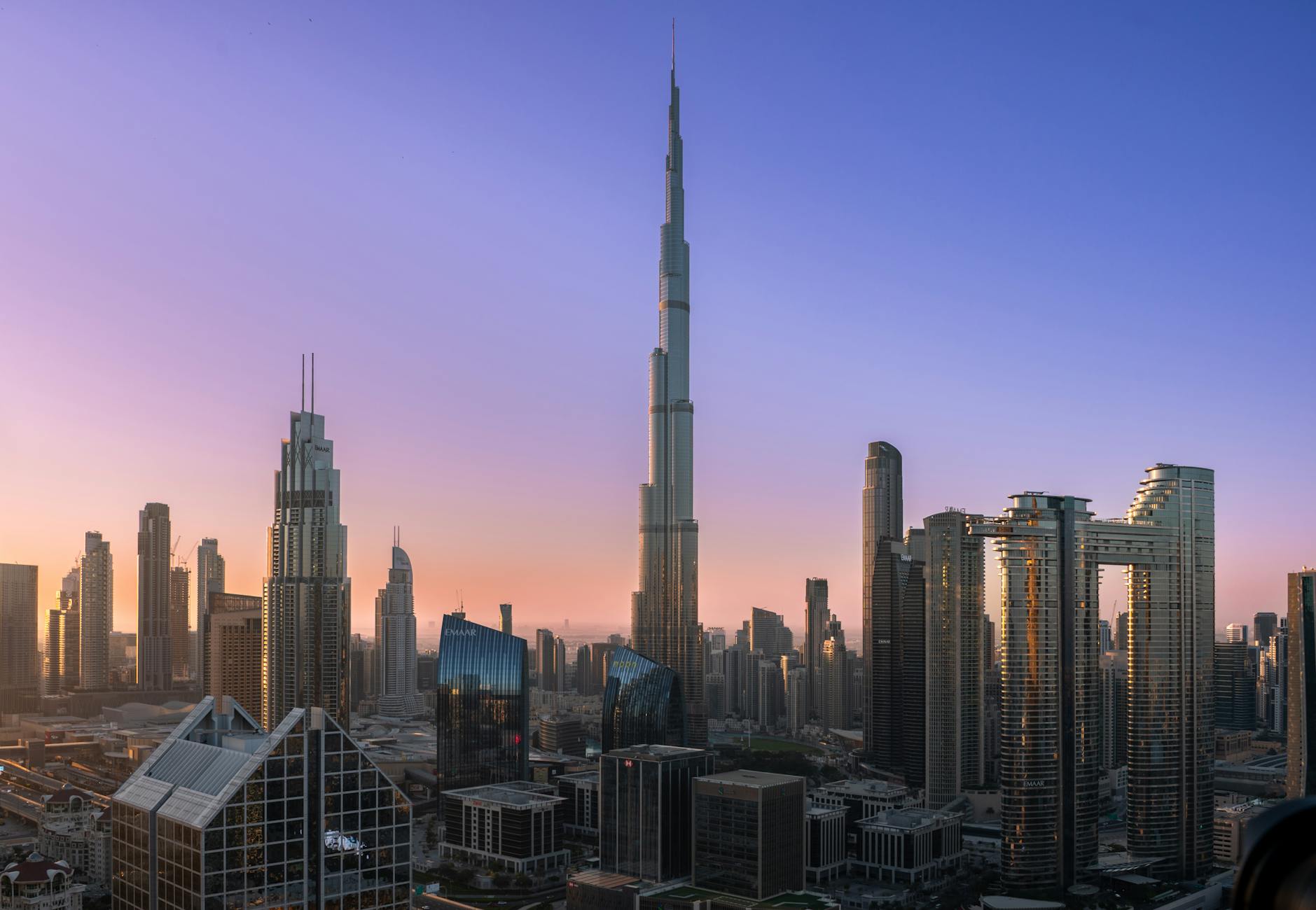
The ceasefire doesn’t resolve everything. Iran‘s new political configuration is unstable. The nuclear question isn’t fully answered. But the shooting stops, and for markets, that’s sufficient.
Tourism rebounds faster than anyone expects. Dubai has a structural advantage here: it pulls bookings from literally everywhere, across every income bracket, every nationality, every purpose of travel. The pipeline refills quickly once the security perception shifts. By winter 2027, hotel occupancy is back at 70 to 75%.
My mate with the 3% occupancy will be complaining about being slammed again. I’m looking forward to that conversation.
Aviation recovers in six to nine months post-ceasefire. Emirates comes back aggressively, using the disruption to renegotiate gate access at competing hubs it previously couldn’t touch. Real estate bifurcates: ultra-luxury bounces immediately, that capital never really left, it just paused. Mid-market takes longer, tied to expat confidence returning.
What Doesn’t Come Back (And Why That’s Not The Disaster It Sounds Like)
Here’s what the doom merchants get wrong and the optimists get wrong, just in opposite directions.
Dubai doesn’t come out of this unchanged. Some things close permanently.
The commercial corridor between Dubai and Iran, which served both economies well for a long time, is finished. Not because the UAE decided to be aggressive about it. Because the conflict made the separation both necessary and, frankly, overdue given the pressure that had been building for years. That chapter ends cleanly.
The neutral haven positioning shifts too. The idea that Dubai could do business with everyone simultaneously, sanctioned and not, East and West, is an era that ends here. The UAE comes out of this more firmly embedded in the Western-Gulf security architecture than at any point in its history.
Is that bad? I’m genuinely not sure it is. There’s a category of international capital that values real security over the performance of neutrality. And the UAE’s sovereign wealth position, $1.8 trillion across ADIA, Mubadala, ADQ and the rest, roughly four times the entire country’s GDP, means the government absorbs the transition costs without breaking a sweat.
The UAE‘s real GDP went from $127 billion in 1990 to $462 billion by 2024. That growth survived the Iraqi invasion of Kuwait, the 1998 oil collapse, the 2008 financial crisis, the Arab Spring, and Covid. Every single time someone wrote this city’s obituary, it proved them wrong.
It will do so again.
It just comes out the other side as a harder, more serious, financially cleaner version of itself. Less grey. More real. For some people, that’s less appealing. For others, it’s exactly what they wanted.
So. Are You Staying Or Going?
If you have children and your gut is telling you something, trust it. The friends who left aren’t wrong. Not for a second. That’s a personal call and I respect it completely.
But if you’re an investor, a business owner, or someone who chose this city deliberately and is trying to work out whether the fundamentals still hold, my honest answer is yes. They do.
I’ve been here two years. I chose it. I love it. And I’ve run the realistic scenario, not the dramatic one, not the reassuring one, and the conclusion is that this city takes a serious hit, probably the worst since 2009, and comes through it.
Rocky has already assessed the situation and returned to the tiles.
We’re staying.
Your move. ♟️
If this is the kind of thinking you want every week, real analysis, no hype, zero LinkedIn guru nonsense, the Sunday Blueprint lands every Sunday. Join 10,000+ professionals who get it.
P.S. Rocky has now conducted a thorough strategic assessment of the geopolitical situation and concluded it has no bearing on his dinner schedule. Smart dog.